No forced deep dive
You do not have to unpack everything in session one. Trust comes first, and the pace can be built with you.
Florida online therapy through Emora Health
Lauren Galvin, MSW, registered clinical social worker intern, offers warm, upbeat virtual therapy through Emora Health for anxiety, ADHD, school stress, self-esteem, big emotions, grief, life transitions, and feeling misunderstood.
Booking, insurance, availability, clinical intake, and care coordination are handled through Emora Health. This page is informational and does not create a therapist-client relationship.
A better first step
You can ask for help before everything has a neat label. You can start therapy before your child knows how to explain what is wrong. Support can begin with school stress, social stress, anger, anxiety, sadness, shutdown, or the simple sense that things have been harder than usual.
Sunny Mental Health is a clear booking path for Lauren Galvin's virtual therapy services through Emora Health. Parents get enough information to trust the next click, and young people get a signal that therapy will not turn them into a problem to be solved.
For parents and caregivers
If your child seems overwhelmed, shut down, anxious, angry, disconnected, tearful, numb, irritable, unmotivated, or impossible to reach lately, the first step can simply be a low-pressure conversation. Therapy does not have to begin with a crisis. It can begin with noticing that your child is carrying more than they know how to say.
Lauren's style is warm and trust-first. The goal is not to interrogate your child, diagnose them from a webpage, or make them perform vulnerability on command. The goal is to help them feel safe enough to start building language, coping skills, confidence, and practical tools they can use at home, school, and in relationships.
Parents can be part of the process where appropriate. That may include sharing context, describing patterns, naming concerns, and learning how to support progress outside session. At the same time, kids and teens need a space that does not feel like another adult meeting about what they are doing wrong.
Start with Lauren's booking pageFor teens and young adults
Therapy can start with what feels easiest to talk about: school, friends, family, pressure, games, shows, stress, sleep, sports, college, work, or nothing yet. The first step is not a performance.
You do not have to unpack everything in session one. Trust comes first, and the pace can be built with you.
Sessions can focus on coping skills, emotional awareness, problem-solving, communication, and practical ways to get through hard moments.
The work is not about being "fixed." It is about feeling understood and having more options when things get hard.
Therapy for reluctant talkers
A lot of young people are not trying to be difficult when they avoid therapy, shrug through questions, say "I do not know," or insist everything is fine. Sometimes they are embarrassed. Sometimes they are overwhelmed. Sometimes they have learned that talking makes adults panic, lecture, punish, or ask ten follow-up questions before they are ready.
Low-pressure therapy can give the relationship room to form first. That might mean starting with everyday topics, noticing patterns gently, using humor appropriately, naming feelings without forcing them, or building skills around the edges before the deeper work feels possible.
Support areas
Support areas are not promises of a specific outcome. They are common reasons families look for therapy and common places where a warm, practical therapeutic relationship can help a young person feel less alone.
Check current availabilityOnline therapy can support kids and teens who overthink, avoid, spiral, people-please, feel tense, or get stuck in "what if" loops. The work may include naming triggers, building coping tools, practicing brave steps, and helping the young person feel less controlled by worry.
Support can include practical strategies for planning, follow-through, routines, emotional regulation, motivation, and shame that can build up when a young person is repeatedly told they are lazy or not trying.
School can carry grades, friendships, bullying, identity, comparison, rejection, performance pressure, and burnout. Therapy can give those pressures somewhere to land before they turn into total shutdown.
Kids, teens, and young adults need places where they can be honest about insecurity, body image, confidence, belonging, boundaries, and who they are becoming without feeling judged.
Anger, sadness, numbness, grief, transitions, divorce, moves, conflict, and loss can show up through behavior before they show up through words. Therapy can help young people and families understand what the behavior is trying to communicate.
College, first jobs, relationships, independence, identity, family expectations, and uncertainty can make young adulthood feel disorienting. Therapy can offer a steady place to sort through what comes next.
First session
It is a relaxed start: what is going on, what support would help, what feels hard to say, and what would make therapy feel safe enough to continue.
How online therapy works
For many kids, teens, and young adults, online therapy feels less awkward than walking into a new office. They can join from a familiar, private space. They do not have to sit in a waiting room. They can start therapy without adding another commute to an already full family schedule.
Online therapy still needs structure. The client should be physically located in Florida, have a private enough space for the session, and be able to participate safely. Parent involvement, confidentiality, safety planning, clinical fit, scheduling, and insurance are handled through Emora Health.

Lauren Galvin, MSW, RCSWI
Lauren's public profiles describe a warm, empathetic, fun, and judgment-free therapy style for kids, teens, young adults, and families.
Professional footprint
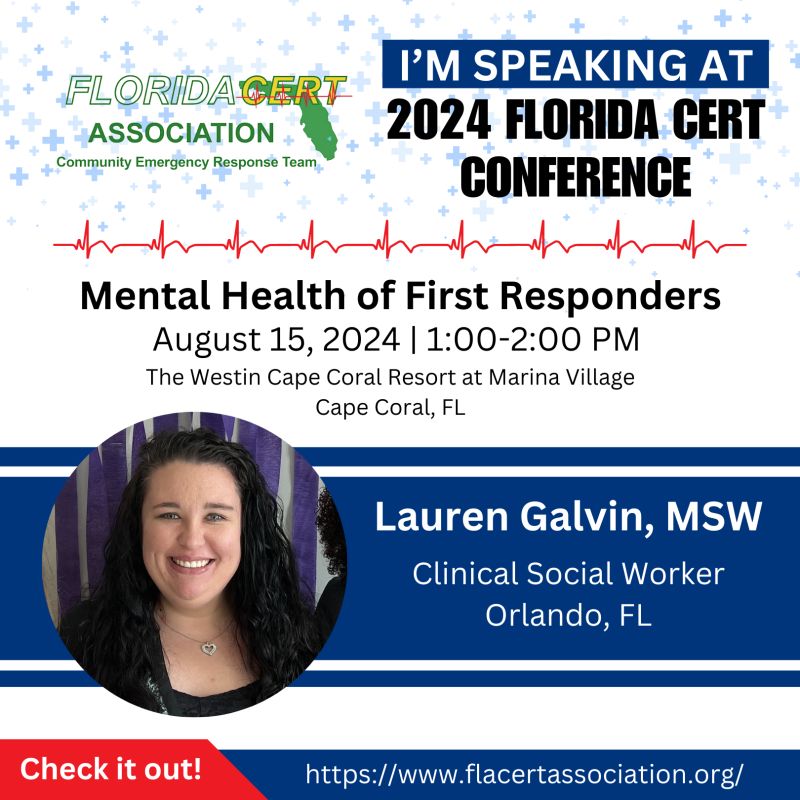
Lauren's public professional presence includes therapy work with kids, teens, young adults, and families, plus mental-health education in community and professional settings. The point of this page is to keep the tone friendly while still being clear, careful, and compliant.
Image note: LinkedIn profile access was blocked by LinkedIn's auth wall during local build, but a public LinkedIn activity image was reachable and is used here as a local approved-by-review asset. Confirm image rights before live deploy.
Florida therapy searches this page is built to answer
This page is intentionally written for real searches and real worries, not thin SEO spam. It gives parents and young adults enough information to understand fit before clicking into Emora Health.
Parents often search when a child is overwhelmed, angry, anxious, grieving, avoiding school, or struggling to explain what is happening. This page makes the next step feel clear without promising a guaranteed result.
Teens need language that does not make therapy sound like punishment. The page speaks directly to the fear that therapy will be awkward, intense, or built around forced disclosure.
Young adults may be managing college, work, independence, family pressure, relationships, identity, anxiety, or burnout. The page names those transitions without turning them into labels.
This is the emotional core of the site: therapy starts with trust, not interrogation. That phrase matters because it matches what many parents are actually worried about.
QR-ready tracking
Flyers, business cards, school resource sheets, and social bios should point to a Sunny Mental Health tracking URL first, then redirect to Lauren's Emora page. That gives rough clickthrough data without collecting sensitive therapy details.
Use campaign URLs like /qr/lauren, /qr/business-card, /social/instagram, and /go/lauren. The included Cloudflare Worker template records aggregate route-level click counts and redirects visitors to the intended destination.
FAQ
Lauren offers virtual therapy sessions through Emora Health for clients located in Florida.
Lauren works with kids, teens, young adults, and families. Public profiles list support areas including anxiety, ADHD, self-esteem, school stress, emotional regulation, grief, trauma and life events, and life transitions.
The first session is low-pressure. It may include context from a parent or caregiver when appropriate, a relaxed conversation with the client, and a chance to understand what would make therapy feel safe and useful.
That is common. Therapy can start with connection, comfort, and small openings rather than a forced deep dive. The goal is to build trust before asking for vulnerability.
Confidentiality and parent involvement are discussed during intake through Emora Health. Parents can share important context, while teens also need enough privacy for therapy to feel honest and safe.
Insurance, payment, scheduling, and intake details are handled through Emora Health. Use Lauren's Emora profile to view current booking and coverage options.
Sessions are virtual for clients located in Florida. Availability and fit are confirmed through Emora Health.
For many kids, teens, and young adults, online therapy can feel familiar and less intimidating because they can join from a private, comfortable space. Fit depends on the client, clinical needs, privacy, and safety.
No. Sunny Mental Health is not an emergency or crisis service. If you or someone else is in immediate danger, call 911. If you are in emotional crisis or thinking about suicide, call or text 988 in the United States.
Ready when you are
View Lauren's Emora Health profile, check availability, and decide whether online therapy feels like the right next move for your family.
Book with Lauren through Emora Health